
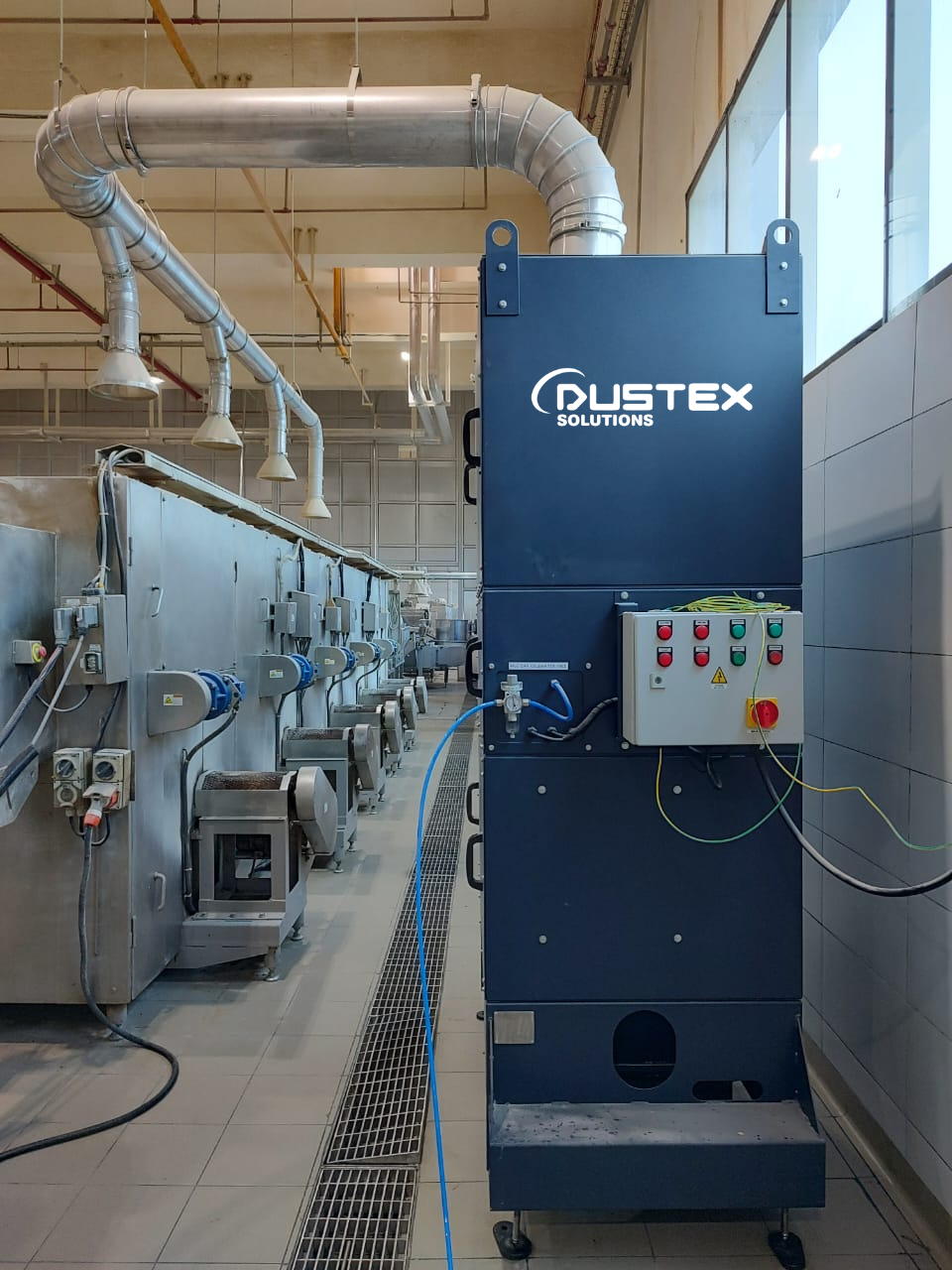
Dust Extraction Systems: The Key to Clean Air and Efficient Operations
In modern industrial environments, dust is more than just a visible nuisance—it is a serious challenge that affects employee health, product quality, equipment performance, and regulatory compliance. Industries such as pharmaceuticals, food processing, chemicals, engineering, and material handling generate fine dust particles during production. Without proper control, these particles can spread across the facility, creating unsafe and inefficient working conditions. This is where dust extraction systems play a vital role.
What Are Dust Extraction Systems?
Dust extraction systems are engineered solutions designed to capture and remove dust at its source. Using a combination of extraction hoods, ducting, high-efficiency filters, and blowers, these systems prevent dust from becoming airborne and spreading within the workspace. The collected dust is safely separated and stored, ensuring cleaner air and improved housekeeping.
Unlike conventional cleaning methods, dust extraction systems work continuously during operations, providing consistent dust control without interrupting production.
How Dust Extraction Systems Work
A typical dust extraction system starts with a properly designed extraction hood positioned close to the dust-generating point. The dust-laden air is then conveyed through ducting to a filtration unit. Here, high-performance filters such as cartridge or bag filters separate dust particles from the air. Clean air is either released back into the environment or exhausted safely, while the dust is collected in bins for easy disposal.
This controlled process ensures minimal dust escape and maximum efficiency.
Key Benefits of Dust Extraction Systems
- Improved Worker Health and Safety: Airborne dust can cause respiratory issues and long-term health problems. Systems significantly reduce exposure.
- Compliance with Regulatory Standards: Helps maintain compliance with CPCB/PCB and other workplace safety regulations.
- Enhanced Product Quality: Prevents contamination in sensitive sectors like food and pharmaceuticals.
- Increased Equipment Life: Reduces wear, overheating, and breakdowns by keeping machinery free from grit.
- Higher Operational Efficiency: Improves visibility and reduces cleaning downtime.
Applications Across Industries
Dust extraction systems are widely used in:
- Pharmaceutical and chemical manufacturing
- Food processing and packaging units
- Engineering and metalworking industries
- Powder handling and material transfer processes
Each industry requires a customized solution based on dust characteristics, volume, and hygiene standards.
Choosing the Right Dust Extraction System
Selecting the right system depends on factors such as type of dust, airflow requirement, filtration efficiency, space availability, and industry regulations. A well-designed system not only controls dust effectively but also optimizes energy consumption and maintenance efforts.
Conclusion
Dust extraction systems are no longer optional—they are a critical investment in workplace safety, operational efficiency, and product integrity. By controlling dust at the source, industries can create cleaner environments, protect their workforce, and ensure compliance with regulatory standards.
At Dustex Solutions, we specialize in designing and delivering customized dust extraction systems tailored to your process needs. Our solutions combine efficiency, reliability, and industry-compliant design to help you achieve cleaner air and smoother operations.