
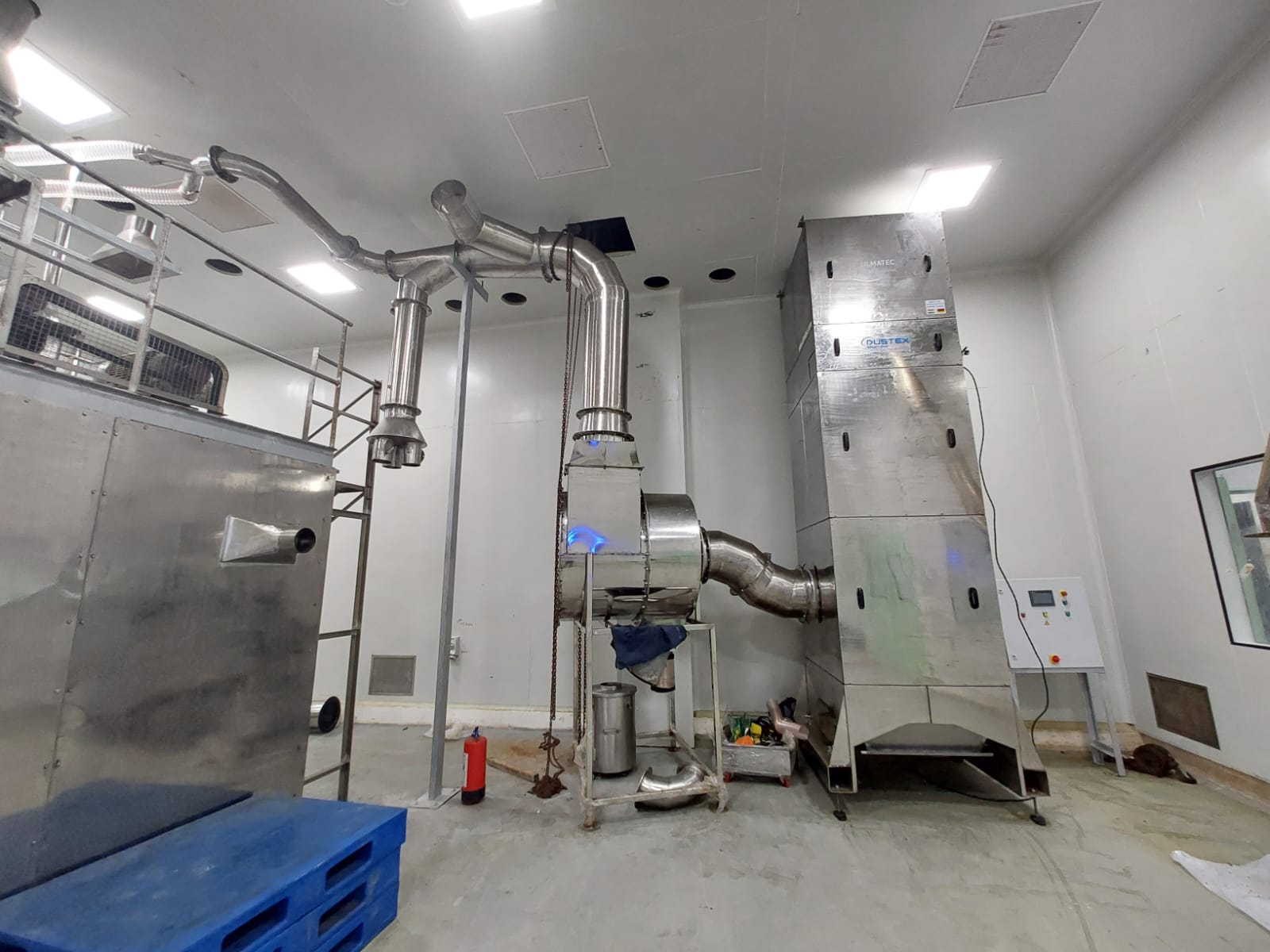
The Role of Dust Extraction Systems in Industrial Safety and Compliance
In modern industrial environments, safety and regulatory compliance are no longer optional—they are critical business priorities. Industries such as manufacturing, pharmaceuticals, food processing, chemicals, cement, and metal fabrication generate large amounts of dust and airborne particles during daily operations. If not controlled effectively, this dust can pose serious risks to employee health, equipment performance, and regulatory compliance.
This is where dust extraction systems play a vital role. Designed to capture, filter, and remove harmful dust at its source, these systems are essential for maintaining a safe, clean, and compliant workplace.
Understanding Industrial Dust Hazards
Industrial dust may appear harmless, but prolonged exposure can lead to severe consequences. Fine particles can remain suspended in the air, making them easy to inhale and difficult to control without proper systems.
- Health Risks: Respiratory diseases such as asthma, bronchitis, and silicosis.
- Fire Hazards: Fire and explosion risks, especially with combustible dust.
- Quality Control: Contamination of products, particularly in food and pharma.
- Operational Risks: Damage to machinery and reduced visibility.
How Dust Extraction Systems Improve Industrial Safety
Effective dust management is not just about cleanliness—it is about protecting people, processes, and profits through these four pillars:
- Protection of Worker Health: Significantly reduces workers’ exposure to harmful substances.
- Fire and Explosion Prevention: Minimizes dust buildup to prevent ATEX-related ignition risks.
- Cleaner Workspaces: Improves visibility and reduces slipping hazards.
- Equipment Efficiency: Protects motors and sensors from abrasive dust accumulation.
Ensuring Regulatory Compliance
Industrial safety authorities (OSHA, ISO, ATEX) enforce strict air quality regulations. Dust extraction systems help industries:
- Meet occupational health and safety regulations.
- Comply with environmental emission standards.
- Pass audits and inspections without heavy fines or penalties.
- Maintain certifications required for global operations.
Applications Across Industries
From pharmaceutical manufacturing requiring hygienic processing to cement and mining for large-scale dust management, each sector requires a customized solution based on dust type, airflow, and specific safety requirements.
Choosing the Right Dust Extraction System
To achieve maximum safety and compliance, consider the volume of dust, filtration efficiency, and ease of maintenance. A well-designed system tailored to your operational needs delivers the best long-term ROI.
Conclusion
Dust extraction systems are a critical component of industrial safety and compliance. In today’s highly regulated landscape, investing in an efficient system is an investment in safety, sustainability, and operational excellence.