
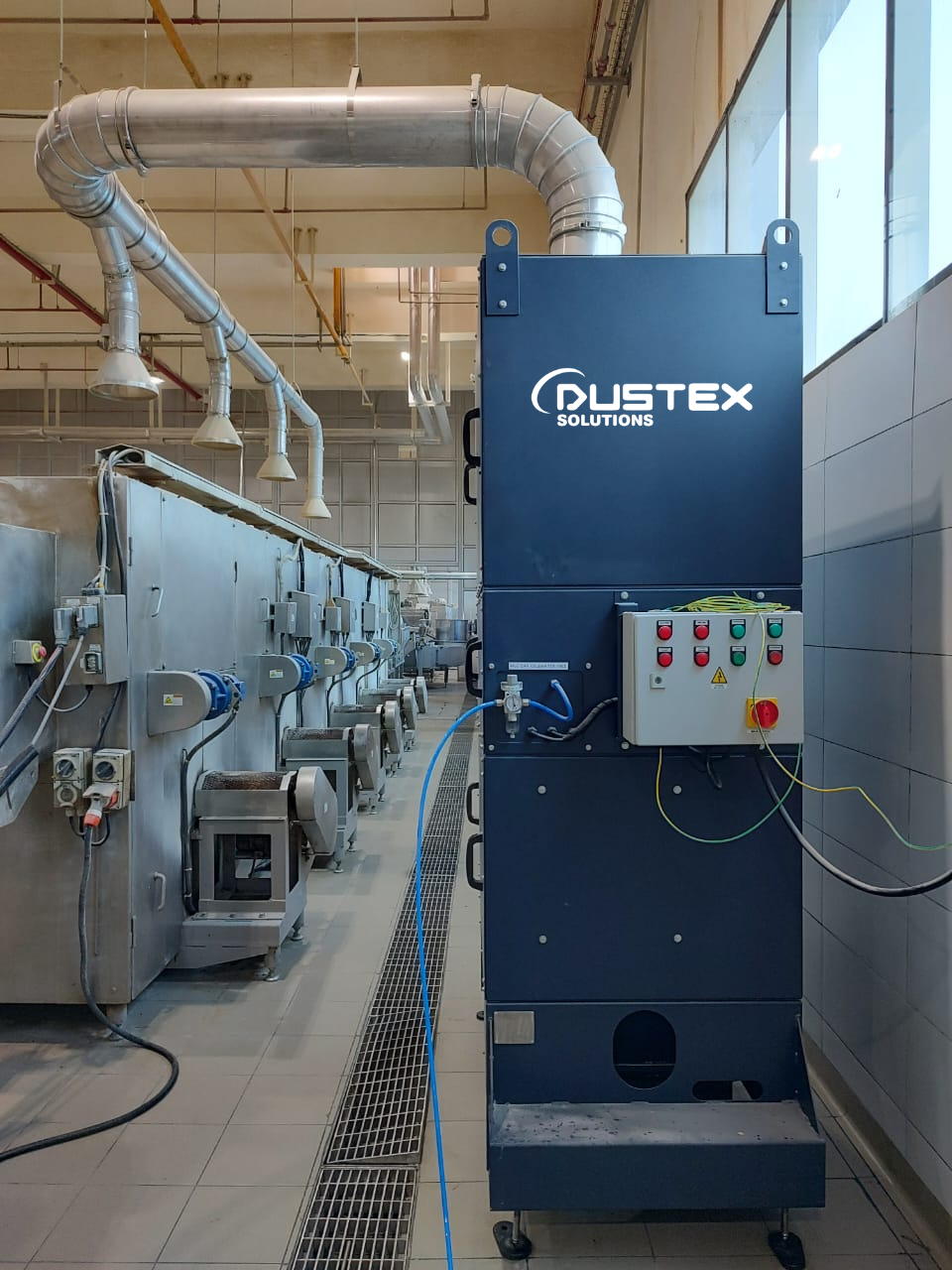
Dust Extraction Systems: A Complete Guide to Cleaner and Safer Workplaces
In today’s industrial environment, maintaining clean air and a safe workplace is no longer optional—it is a necessity. Dust generated during manufacturing, processing, cutting, grinding, or material handling can pose serious risks to workers, equipment, and overall productivity. This is where Dust Extraction Systems play a crucial role.
This guide explains what dust extraction systems are, how they work, their benefits, and why every industry should invest in an efficient dust extraction solution.
What Is a Dust Extraction System?
A Dust Extraction System is an industrial solution designed to capture, filter, and remove dust particles from the air at the source of generation. These systems prevent dust from spreading into the work environment, ensuring cleaner air and safer working conditions.
Dust extraction systems are commonly used in industries such as:
- Pharmaceuticals & Chemicals
- Food & Beverage
- Cement & Minerals
- Metalworking & Woodworking
- Packaging & Manufacturing
Why Dust Control Is Important in Industries
Industrial dust may seem harmless, but prolonged exposure can lead to serious problems. An efficient dust extraction system helps eliminate these risks at their root:
- Health Risks: Prevents respiratory issues and long-term illnesses.
- Explosion Hazards: Mitigates risks associated with combustible dust.
- Machine Longevity: Prevents dust accumulation that reduces machine life.
- Compliance: Ensures adherence to safety and environmental regulations.
How Dust Extraction Systems Work
Dust extraction systems operate through a well-designed process:
- Dust Capture: Collected directly at the source using hoods or ducts.
- Air Conveying: Transported through ducting using a powerful blower.
- Filtration: High-efficiency filters separate particles from the air.
- Dust Collection: Stored in bins or hoppers for easy disposal.
- Clean Air Release: Filtered air is safely discharged back.
Key Benefits of Dust Extraction Systems
- Improved Safety & Air Quality: Creates a healthier environment for employees.
- Regulatory Compliance: Meets local and international safety standards.
- Increased Productivity: Reduces machine downtime and improves visibility.
- Machinery Protection: Prevents overheating and frequent breakdowns.
- Risk Prevention: Lowers the risk of dust-related fires and explosions.
Types of Dust Extraction Systems
Depending on industrial needs, different systems are available:
- Centralized Dust Extraction Systems
- Portable Dust Collectors
- Cartridge Filter Dust Collectors
- Bag Filter Systems
- Wet Dust Collection Systems
Conclusion
A dust extraction system is not just an add-on—it is a vital investment in workplace safety, operational efficiency, and regulatory compliance. By controlling dust at its source, industries can create cleaner, safer, and more productive environments.
Whether you operate in manufacturing, pharmaceuticals, or heavy industry, an efficient dust extraction system is the key to protecting your people, processes, and profits.